Best Practices for Digital Forms and Checklists in Manufacturing
Digital forms and checklists standardize work and capture data in real time. Discover best practices for implementing them effectively on the manufacturing shop floor.
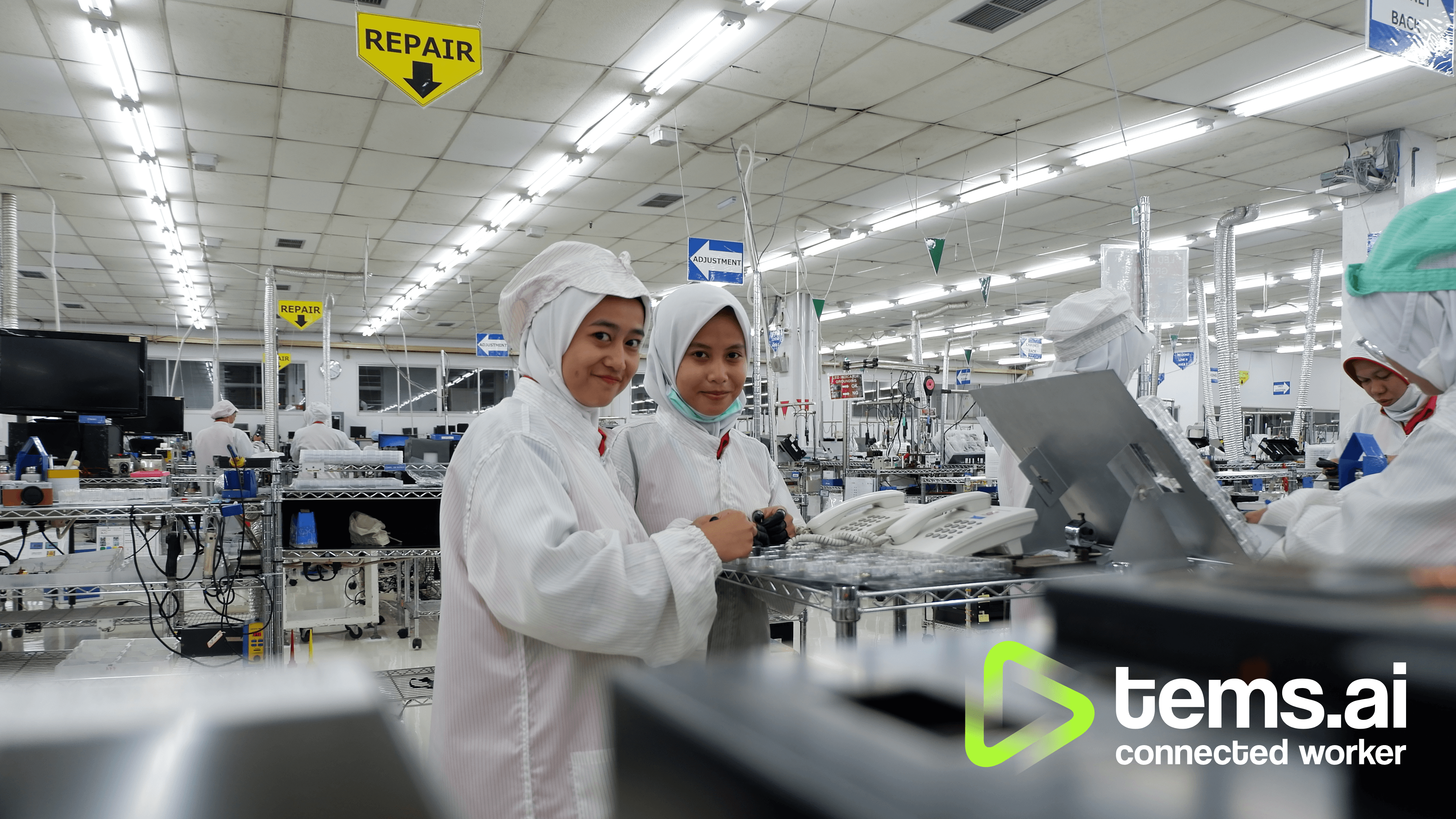
Best Practices for Digital Forms and Checklists in Manufacturing
Digital forms and checklists have become foundational tools for modern manufacturing operations. When designed and used correctly, they help standardize work, capture data in real time, strengthen compliance, and significantly improve frontline productivity. This article outlines proven practices for implementing digital forms effectively and explains why they are a critical building block for connected, data-driven operations.
Key Takeaways
- Replace paper-based documentation with structured, real-time digital data capture
- Enable richer reporting through multimedia inputs (photos, video) and electronic sign-offs
- Support conditional logic and automated scoring for smarter workflows
- Trigger timely notifications to strengthen accountability and follow-up
- Integrate with existing systems to reduce manual errors
- Convert frontline activity into actionable operational insights
Why Digital Forms Matter on the Modern Shop Floor
Forms and checklists are used every day to record inspections, safety checks, quality validations, and routine operational tasks. In manufacturing, consistency is non-negotiable, yet for decades, many plants have relied on paper documents to manage this critical layer of work.
Paper-based forms are slow, error-prone, difficult to standardize, and nearly impossible to analyze at scale. Information often sits in binders, filing cabinets, or disconnected spreadsheets, making timely decision-making difficult. Updates take time, visibility is limited, and deviations frequently surface only after they have already caused downtime, defects, or compliance issues.
Digital forms change this dynamic entirely. By capturing information electronically, manufacturers gain immediate access to accurate, structured data. Platforms such as TEMS.AI transform frontline documentation from static records into active operational tools. Instead of merely storing information, digital forms drive standardization, accountability, and continuous improvement.
Manufacturers that move to paperless, connected documentation typically see fewer inconsistencies, faster issue resolution, higher workforce efficiency, and stronger audit readiness - all while reducing the administrative burden on frontline teams.
Best Practices for Implementing Digital Forms and Checklists
Move from Paper to Standardized, Real-Time Digital Forms
Paper forms and spreadsheets struggle to keep pace with today's operational complexity. Digital forms ensure that everyone, across all shifts and locations, works from the same up-to-date version. Changes are rolled out instantly, audit trails are automatically maintained, and compliance data is always current.
Digital checklist software also simplifies internal and external audits, including GMP and quality audits, by making records instantly accessible and traceable. Beyond compliance, standardized digital forms help reduce cycle time by ensuring tasks are performed consistently and efficiently every time.
Enrich Documentation with Multimedia and Electronic Sign-Offs
Text-only forms often fail to capture the full picture. Digital forms allow operators to attach photos or videos to clearly document issues, defects, or abnormal conditions. Electronic signatures add a layer of accountability and help verify compliance.
This richer form of documentation reduces ambiguity, speeds up root-cause analysis, and enables managers to make faster, better-informed decisions based on real evidence rather than interpretation.
Use Conditional Logic to Reduce Complexity for Operators
One of the biggest reasons frontline teams resist forms is overload. Digital forms can dynamically adapt based on user input, role, or context. Operators only see fields that are relevant to the task at hand, which shortens completion time and reduces errors.
By tailoring forms to real operational scenarios, documentation becomes a support tool rather than an obstacle to productivity.
Turn Forms into Measurement Tools with Automated Scoring
Digital forms should do more than confirm completion, they should help measure performance. Automated scoring allows manufacturers to assess compliance, quality, or safety against defined criteria. Results can be tracked across individuals, teams, shifts, or sites.
When form data feeds directly into KPIs, organizations gain visibility into gaps, trends, and improvement opportunities. This data-driven approach is essential for sustained operational excellence.
Schedule and Share Forms Across Sites for Consistency
In multi-site operations, maintaining consistent standards is a constant challenge. Digital scheduling ensures that forms are completed at defined intervals, whether daily, weekly, or monthly. Templates can be shared and reused across plants, while still allowing for site-specific customization.
QR-code access further simplifies use on the shop floor, while role-based permissions ensure security. This approach ensures that standards are applied consistently everywhere, every time.
Use Real-Time Notifications to Drive Action
Unlike paper forms, digital forms don't wait to be reviewed. Managers can be notified immediately when a form is completed or when a deviation is detected. Alerts can be configured for critical safety checks, quality thresholds, or process milestones.
This closes the gap between detection and response, reducing downtime and preventing small issues from escalating into major disruptions.
Align Forms with Business and Operational Objectives
Digital forms should be directly linked to what the organization is trying to achieve. Daily standard work forms reinforce consistent routines. Safety forms support hazard tracking and regulatory compliance. Quality inspections prevent defects from reaching customers. Maintenance forms help protect asset uptime.
When forms are aligned with operational goals, they become levers for performance---not just administrative tasks.
Use Reporting and Analytics to Drive Continuous Improvement
One of the most powerful advantages of digital forms is insight. Real-time dashboards, trend analysis, and performance reporting make it possible to identify recurring issues and systemic inefficiencies.
By analyzing frontline data regularly, manufacturers can move from reactive problem-solving to proactive optimization. Connected worker platforms amplify this effect by capturing execution data directly from the shop floor.
Change Management and Training Are Critical
Digital transformation is not just about technology---it's about adoption. Successful implementation requires clear communication, hands-on training, and ongoing support. Employees need to understand how digital forms help them work more safely, accurately, and efficiently.
Organizations that invest in change management build trust, reduce resistance, and foster a culture of continuous improvement---unlocking the full value of digital standardization.
Connected Worker Platforms and Collaboration
Connected worker platforms extend the value of digital forms by linking workers, data, and processes in real time. Mobile access, live monitoring, and seamless communication allow operators to capture information where work happens and get immediate support when needed.
Managers gain real-time visibility into execution, enabling faster interventions and better coordination. The result is higher productivity, improved quality, and fewer errors across the operation.
High-Impact Use Cases for Digital Forms
Digital forms deliver the most value when applied to areas such as daily standard work, safety management, quality inspections, and maintenance activities. In each case, structured, real-time documentation directly improves consistency, visibility, and performance.
Common Mistakes to Avoid
Even with digital tools, organizations can fall short. Treating digital forms as a direct replacement for paper, overwhelming operators with unnecessary fields, ignoring flagged deviations, or failing to use reporting capabilities all undermine value. Reliable connectivity is also essential to ensure real-time synchronization.
Avoiding these pitfalls ensures digital forms remain effective and trusted.
Moving Beyond Paper to Performance
Digital forms and checklists are not just electronic paperwork. They are strategic enablers of standardization, accountability, and continuous improvement. By replacing paper with connected, real-time documentation, manufacturers gain faster insight, stronger compliance, and a more empowered workforce.
In an environment where speed, quality, and reliability define competitiveness, digital forms ensure frontline teams have the tools they need to perform at their best.
Ready to standardize operations and increase productivity? Book a short demo to see how TEMS.AI helps manufacturers turn everyday documentation into operational intelligence: [www.tems.ai]{.underline}
Frequently Asked Questions (FAQ):
What are digital forms and checklists in manufacturing?
Digital forms and checklists are electronic tools used to document inspections, safety checks, quality validations, and routine operational tasks. They replace paper-based documentation with structured, real-time data capture that supports standardization and operational visibility.Why should manufacturers move away from paper-based forms?
Paper forms are slow, error-prone, difficult to standardize, and hard to analyze at scale. Information often remains fragmented in binders or spreadsheets, delaying decisions and allowing deviations to surface only after causing downtime, defects, or compliance risks.How do digital forms improve compliance and audit readiness?
Digital forms maintain automatic audit trails, ensure everyone works from the latest version, and make records instantly accessible and traceable. This simplifies internal and external audits, including GMP and quality audits, while strengthening overall compliance.How do digital forms improve frontline productivity?
They standardize tasks across shifts and sites, reduce inconsistencies, and shorten completion time. Instant updates, simplified workflows, and reduced administrative burden allow operators to focus on execution rather than paperwork.What role do multimedia inputs and electronic signatures play?
Photos and videos provide clear documentation of defects or abnormal conditions, reducing ambiguity and accelerating root-cause analysis. Electronic signatures add accountability and verify compliance, supporting better-informed decision-making.How does conditional logic benefit operators?
Conditional logic adapts forms dynamically based on user input, role, or context. Operators only see relevant fields, which reduces complexity, minimizes errors, and shortens completion time.How can digital forms support performance measurement?
Automated scoring allows organizations to assess compliance, quality, or safety against defined criteria. When form data feeds into KPIs, manufacturers gain visibility into gaps, trends, and improvement opportunities.How do digital forms support multi-site consistency?
Templates can be shared across plants while allowing local customization. Scheduled completion intervals, QR-code access, and role-based permissions ensure standards are applied consistently across locations.How do real-time notifications improve operations?
Managers receive immediate alerts when forms are completed or when deviations occur. This reduces the delay between detection and response, preventing small issues from escalating into major disruptions.How should digital forms align with business objectives?
Forms should reinforce operational goals such as safety compliance, quality assurance, maintenance reliability, and daily standard work. When aligned with strategic priorities, they become performance levers rather than administrative tasks.How do reporting and analytics drive continuous improvement?
Real-time dashboards and trend analysis reveal recurring issues and systemic inefficiencies. Regular review of frontline data enables proactive optimization rather than reactive problem-solving.Why is change management important in digital form implementation?
Successful adoption requires communication, hands-on training, and ongoing support. Employees must understand how digital tools improve safety, accuracy, and efficiency. Strong change management reduces resistance and builds trust.What is the role of connected worker platforms?
Connected worker platforms link workers, processes, and data in real time. Mobile access and live monitoring enable immediate support and visibility, improving coordination, quality, and productivity across operations.Where do digital forms deliver the highest impact?
They are particularly valuable in daily standard work, safety management, quality inspections, and maintenance activities, where structured real-time documentation directly enhances consistency and performance.What common mistakes should manufacturers avoid?
Treating digital forms as simple paper replacements, overloading operators with unnecessary fields, ignoring flagged deviations, underutilizing reporting capabilities, or lacking reliable connectivity can limit value. Avoiding these pitfalls ensures sustained effectiveness.How do digital forms contribute to long-term competitiveness?
By replacing paper with connected, real-time documentation, manufacturers gain faster insight, stronger compliance, and a more empowered workforce---critical factors in environments where speed, quality, and reliability determine success.
Ready to transform your operations?
Book a 30-minute demoRelated articles

Connected Worker 2.0: Why "Another App" Won't Fix Your Factory
Discover why first-generation connected worker apps failed and how AI-native edge platforms transform shop-floor execution, OEE, and quality performance.

Time Studies Without Stopwatches
Traditional time studies interrupt production and rely on manual observation. Discover how AI-native edge systems measure task duration and bottlenecks automatically in real time.

Small Batches Without the Chaos
Small-batch manufacturing increases complexity and risk. Discover how AI-native, context-aware execution systems stabilize high-mix production without sacrificing flexibility.